
Table of Contents
Summer heat pump maintenance is essential to keep your cooling system running efficiently during hot weather. Regular maintenance helps prevent breakdowns, extends your system’s lifespan, and keeps energy bills lower.
By performing simple maintenance tasks and scheduling professional service, you can ensure your heat pump works perfectly when you need it most during summer months.
Why Summer Heat Pump Maintenance Matters
Your heat pump works hard during summer months to keep your home cool and comfortable. Without proper maintenance, it can struggle to perform efficiently. Summer heat pump maintenance is not just a suggestion—it’s a necessity for several important reasons.
First, regular maintenance helps prevent unexpected breakdowns during the hottest days when you need cooling the most. Nothing is worse than your system failing during a heatwave! A well-maintained heat pump is less likely to quit working when temperatures soar.
Second, proper maintenance extends your system’s lifespan. Heat pumps are expensive investments, and regular care helps protect that investment. Most heat pumps last 10-15 years, but with good maintenance, they can last even longer.
Third, a clean, well-maintained heat pump uses less energy to cool your home. This means lower utility bills during summer months when cooling costs typically spike. In fact, regular maintenance can reduce your cooling costs by up to 15%.
Finally, maintenance helps maintain your warranty coverage. Many manufacturers require proof of regular maintenance to keep warranties valid. Skipping maintenance could void your warranty and leave you paying for expensive repairs out of pocket.
DIY Summer Heat Pump Maintenance Tasks
There are several summer heat pump maintenance tasks you can perform yourself without professional help. These simple steps can make a big difference in your system’s performance.
Clean or Replace Air Filters
Dirty filters restrict airflow and make your heat pump work harder. Check your filters monthly during summer and clean or replace them as needed. Most filters should be changed every 1-3 months, but check more often during heavy use periods.

To replace a filter:
- Turn off your heat pump system
- Locate the filter (usually in the indoor air handler)
- Remove the old filter
- Insert the new filter, making sure the arrows point in the direction of airflow
- Turn the system back on
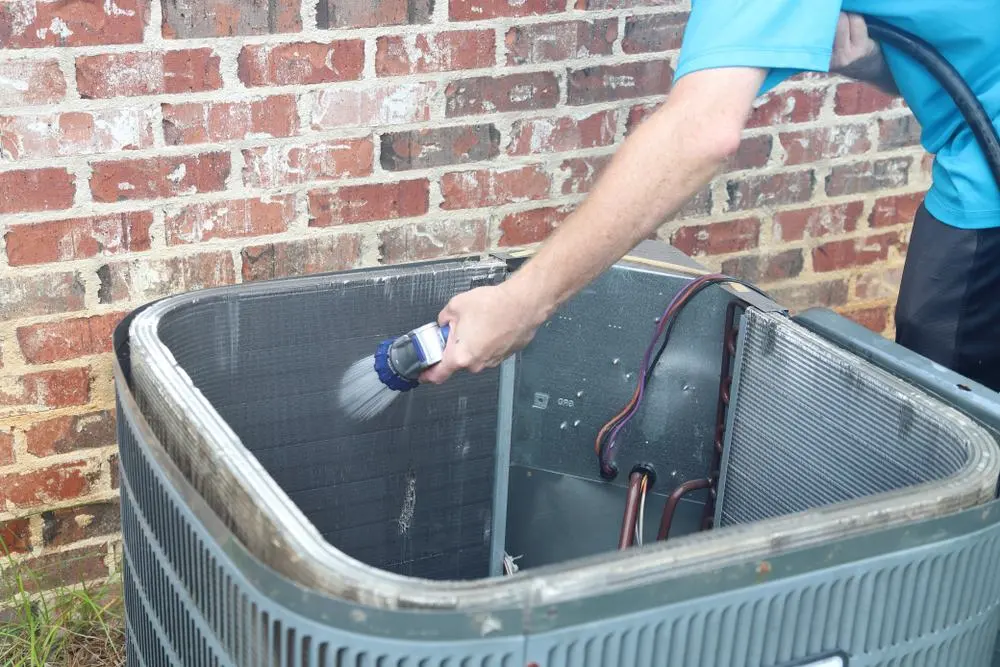
Clear Debris Around Outdoor Unit
Your outdoor unit needs good airflow to work properly. Keep the area around it clear of leaves, grass clippings, and other debris. Trim back plants at least 2 feet from all sides of the unit.
Check the outdoor unit weekly during summer and:
- Remove any sticks, leaves or debris from the top and sides
- Gently clean the fins with a soft brush or vacuum
- Make sure the unit is level on its pad
Clean Condensate Drain Line
The condensate drain removes moisture collected during the cooling process. If this drain clogs, it can cause water damage or system shutdown.
To clean the drain line:
- Locate the drain line (usually a PVC pipe near the indoor unit)
- Pour 1 cup of white vinegar or bleach down the drain
- Flush with water after 30 minutes
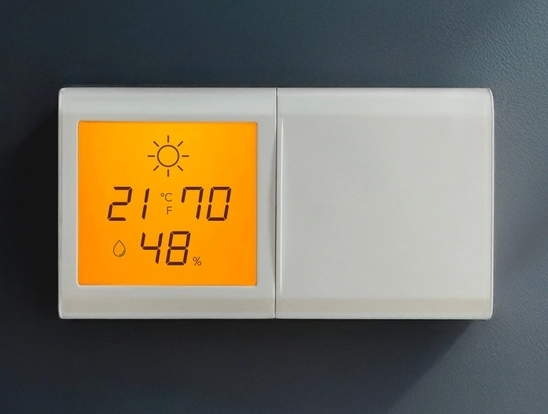
Check Thermostat Settings
Make sure your thermostat is set correctly for summer. Program it to use less cooling when you’re away from home. The Department of Energy recommends setting your thermostat to 78°F when you’re home and higher when you’re away to save energy.
Professional Maintenance Services
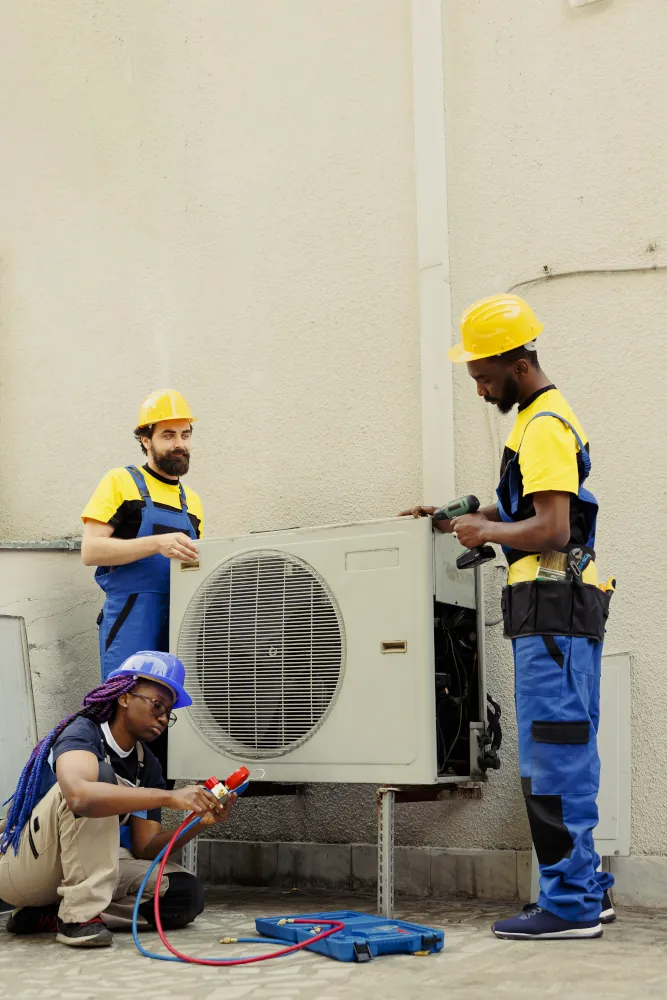
While DIY maintenance is important, professional summer heat pump maintenance is equally essential. HVAC professionals have the tools and expertise to perform deeper maintenance tasks that keep your system running at peak efficiency.
What Professional Maintenance Includes
A professional summer heat pump maintenance visit typically includes:
- Checking refrigerant levels and testing for leaks
- Inspecting electrical connections and components
- Lubricating moving parts to reduce friction
- Testing the thermostat for accuracy
- Cleaning the evaporator and condenser coils
- Checking blower components and airflow
- Inspecting ductwork for leaks or blockages
When to Schedule Professional Service
The best time for summer heat pump maintenance is in late spring, before the hottest weather arrives. This ensures your system is ready for the heavy workload of summer cooling. Most HVAC companies recommend professional maintenance twice yearly—once before cooling season and once before heating season.
If you didn’t schedule spring maintenance, it’s not too late! Even mid-summer maintenance is better than none at all. Professional service can identify and fix small problems before they become major repairs.

Choosing a Qualified Technician
Not all HVAC technicians are equally qualified. Look for professionals who:
- Are licensed and insured
- Have good reviews and references
- Offer maintenance plans or agreements
- Are certified by organizations like NATE (North American Technician Excellence)
Creating a Maintenance Schedule
Consistent summer heat pump maintenance requires a schedule. Creating a maintenance calendar helps ensure you don’t forget important tasks that keep your system running smoothly.
Monthly Tasks
Every month during summer:
- Check and clean/replace air filters
- Clear debris from around outdoor unit
- Listen for unusual noises during operation
- Check thermostat settings and battery
Seasonal Tasks
At the beginning of summer:
- Schedule professional maintenance
- Clean condensate drain line
- Check for leaks around indoor unit
- Test system operation
Annual Professional Service
Schedule professional maintenance at least once yearly, ideally before summer begins. Many companies offer maintenance agreements that include regular visits at discounted rates. These agreements often provide priority service if repairs are needed.
Digital Reminders
Use your phone or computer calendar to set reminders for maintenance tasks. Many smart thermostats can also remind you when it’s time to change filters or schedule professional service.
Improving Energy Efficiency
Proper summer heat pump maintenance directly impacts energy efficiency. Beyond basic maintenance, there are additional steps you can take to help your heat pump use less energy while keeping your home comfortable.
Optimize Thermostat Settings
Program your thermostat to automatically adjust temperatures based on your schedule. Each degree you raise the temperature during cooling season can save 2-3% on energy costs. Consider a smart thermostat that learns your preferences and optimizes settings automatically.
Seal Air Leaks
Air leaks around windows, doors, and ductwork make your heat pump work harder. Check for drafts and seal leaks with weatherstripping, caulk, or duct sealant. This simple step can improve efficiency by 10-20%.

Add Insulation
Proper insulation keeps cool air inside during summer. Check attic insulation levels and add more if needed. The Department of Energy recommends R-38 to R-60 insulation in most attics.
Use Ceiling Fans
Ceiling fans create a wind-chill effect that makes rooms feel cooler without lowering the thermostat. Run fans counterclockwise in summer to push cool air down. Remember to turn fans off when rooms are empty—fans cool people, not rooms.
Provide Shade for Outdoor Unit
An outdoor unit in direct sunlight works harder than one in shade. If possible, provide shade with trees or shrubs (keeping them trimmed back for airflow) or consider an awning. This can improve efficiency by up to 10%.
Common Summer Issues and Troubleshooting
Even with regular summer heat pump maintenance, problems can sometimes occur. Knowing how to identify and address common issues can save you time and money.
System Not Cooling Properly
If your heat pump isn’t cooling well:
- Check that the thermostat is set to “cool” mode
- Ensure air filters are clean
- Check for blocked vents or registers
- Make sure outdoor unit is clear of debris
- Check circuit breakers
Unusual Noises
Different noises indicate different problems:
- Grinding: Could be motor bearings
- Rattling: Loose parts or debris
- Hissing: Possible refrigerant leak
- Clicking: Electrical components cycling on/off
If noises persist, call a professional. Unusual sounds often signal problems that need immediate attention.
Water Leaks
Water around your indoor unit usually indicates:
- Clogged condensate drain
- Frozen evaporator coil that’s now thawing
- Disconnected drain line

Try cleaning the condensate drain first. If leaking continues, call a professional.
Short Cycling
If your system turns on and off frequently:
- Check for dirty filters
- Ensure thermostat is not placed near heat sources
- Check refrigerant levels (requires professional)
- Verify the system isn’t oversized for your home
When to Call a Professional
While some troubleshooting can be done yourself, call a professional if:
- You smell burning odors
- Circuit breakers trip repeatedly
- The system won’t turn on at all
- There’s ice on the refrigerant lines
- You suspect refrigerant leaks
- Problems persist after basic troubleshooting
Frequently Asked Questions About Summer Heat Pump Maintenance
How often should I change my air filter in summer?
During summer when your heat pump runs frequently, check filters monthly and change them every 1-3 months. If you have pets or allergies, you may need to change filters more often.
Can I clean my outdoor unit with a hose?
Yes, you can gently spray the outdoor unit with a hose to remove debris. Always turn off power to the unit first, and never use a pressure washer, which can damage the delicate fins.
Why is my heat pump running constantly in summer?
Constant running could indicate an undersized system, dirty filters, refrigerant issues, or extremely hot weather. If the temperature inside your home isn’t reaching the thermostat setting, have your system checked by a professional.
How much does professional summer heat pump maintenance cost?
Professional maintenance typically costs $75-$200 per visit. Many companies offer maintenance agreements for $150-$300 annually that include two visits per year and additional benefits.
Can I do all heat pump maintenance myself?
While you can perform basic summer heat pump maintenance like changing filters and keeping the outdoor unit clear, professional maintenance is still necessary. Technicians have specialized tools to check refrigerant levels, electrical components, and other critical systems.
How much energy can proper maintenance save?
Regular summer heat pump maintenance can reduce energy consumption by 10-25%. This translates to significant savings on your utility bills during cooling season.
What’s the best temperature setting for summer?
The Department of Energy recommends setting your thermostat to 78°F when you’re home and higher when you’re away. Each degree below 78°F increases energy usage by about 3-4%.
Should I cover my outdoor unit when not in use?
No, covering your heat pump’s outdoor unit is generally not recommended, even during off-seasons. These units are designed to withstand weather. Covers can trap moisture and lead to rust or provide a home for pests.
Keep Your Cool with Regular Summer Heat Pump Maintenance
Regular summer heat pump maintenance is the key to reliable cooling, lower energy bills, and a longer system lifespan. By combining simple DIY tasks with professional service, you can keep your heat pump running efficiently all summer long.
Don’t wait until your system breaks down on the hottest day of the year. Start your maintenance routine today, and enjoy worry-free cooling all summer. Your comfort and your wallet will thank you!
Ready to ensure your heat pump is in top condition for summer? Contact Method Air to schedule your summer heat pump maintenance appointment today. We’ll help you beat the heat and keep your system running efficiently all season long!