
Table of Contents
A heat pump switch is the control mechanism that allows you to turn your heat pump system on and off and switch between heating and cooling modes. This small but crucial component acts as the main interface between you and your HVAC system.
When functioning properly, your heat pump switch ensures your home stays comfortable year-round by allowing you to easily control temperature settings. However, when this switch malfunctions, it can prevent your entire heating and cooling system from working correctly, leading to uncomfortable indoor temperatures and potentially higher energy bills.
Heat Pump Switches: The Basics
Heat pump switches come in various forms, from simple manual toggles to sophisticated digital thermostats. Understanding how your heat pump switch works and how to troubleshoot common issues can save you time, money, and discomfort when problems arise.
In this comprehensive guide, we’ll explore everything you need to know about heat pump switches, including how they work, common problems, troubleshooting tips, and when to call a professional.
How a Heat Pump Switch Works
A heat pump switch serves as the primary control interface for your heat pump system. At its most basic level, the switch allows you to turn the system on or off and select between heating and cooling modes. Modern heat pump switches are typically integrated into programmable thermostats that offer additional functionality.
Basic Operation Principles
Your heat pump switch works by sending electrical signals to different components of your heat pump system. When you adjust the switch to “heat,” it activates the reversing valve, which changes the direction of refrigerant flow to bring warm air into your home. When set to “cool,” the refrigerant flow reverses, removing heat from your home.
Most heat pump systems include these standard switch settings:
- Off: The entire system is powered down
- Heat: Activates heating mode
- Cool: Activates cooling mode
- Auto: Automatically switches between heating and cooling to maintain your set temperature
- Emergency Heat (Aux/Em Heat): Bypasses the heat pump and uses backup electric resistance heating
The Emergency Heat Switch
The emergency heat switch (sometimes labeled as “Em Heat” or “Aux Heat”) is a special setting that deserves particular attention. This setting bypasses your heat pump and activates your system’s backup electric resistance heating elements.
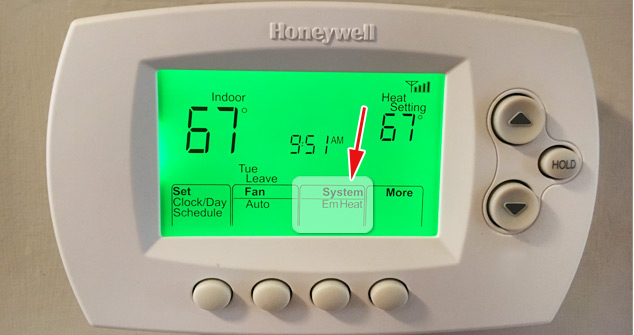
You should only use the emergency heat setting when:
- Your heat pump has failed completely
- Outdoor temperatures are extremely cold (below 30°F in some systems)
- Your heat pump is covered in ice and needs to defrost
Using emergency heat unnecessarily can significantly increase your energy bills, as electric resistance heating typically costs 2-3 times more to operate than a properly functioning heat pump.
Common Heat Pump Switch Problems
Like any component in your HVAC system, heat pump switches can develop problems over time. Recognizing the signs of a faulty switch can help you address issues before they lead to complete system failure.
Physical Switch Failures
The physical components of your heat pump switch can wear out or break. Common physical switch problems include:
- Broken toggle mechanisms: The physical switch no longer moves properly or stays in position
- Loose connections: Wires connecting to the switch may become loose, creating intermittent operation
- Corrosion: Moisture or humidity can cause metal contacts to corrode, preventing proper electrical connection
- Dirt and dust buildup: Accumulated debris can interfere with switch contacts
Electrical Issues
Electrical problems are another common source of heat pump switch failures:
- Short circuits: Damaged wiring can cause electrical shorts
- Power surges: Lightning strikes or power surges can damage sensitive switch components
- Failed relays: The internal relays that the switch controls may fail
- Thermostat communication errors: In digital systems, communication between the thermostat and heat pump unit may break down
Signs Your Heat Pump Switch May Be Failing
Watch for these warning signs that could indicate a problem with your heat pump switch:
- System doesn’t respond when you change settings
- Heat pump runs continuously without shutting off
- System switches between heating and cooling modes on its own
- Unusual clicking or buzzing sounds when adjusting the switch
- Display screen is blank or showing error codes (on digital thermostats)
- System turns on but quickly shuts off

Troubleshooting Your Heat Pump Switch
Before calling a professional, there are several troubleshooting steps you can take to identify and potentially resolve heat pump switch issues.
Basic Troubleshooting Steps
Start with these simple checks:
1. Check power sources: Ensure your heat pump system is receiving power. Check circuit breakers and fuses.
2. Replace batteries: If your thermostat is battery-powered, try installing fresh batteries.
3. Clean the switch and thermostat: Gently remove the thermostat cover and use compressed air or a soft brush to remove dust and debris.
4. Check for loose connections: With power to the system turned off, check that all wires connected to the thermostat are secure.
5. Verify proper settings: Make sure your thermostat is set to the correct mode (heat, cool, auto) and that the temperature setting is appropriate.
Testing Your Heat Pump Switch
If basic troubleshooting doesn’t resolve the issue, you can perform some simple tests:
For manual switches:
- Turn off power to your HVAC system at the circuit breaker
- Remove the thermostat cover to access the switch
- Check for visible damage or corrosion
- Use a multimeter to test for continuity across the switch contacts when in different positions
For digital thermostats:
- Check if the display is functioning properly
- Look for error codes or messages
- Try resetting the thermostat according to manufacturer instructions
- Test if the system responds to manual temperature adjustments

When DIY Isn’t Enough
While basic troubleshooting can resolve many issues, some problems require professional attention. Call an HVAC technician if:
- You’ve tried basic troubleshooting with no success
- You notice electrical issues like sparking or burning smells
- Your system is short-cycling (turning on and off rapidly)
- You’re uncomfortable working with electrical components
- Your warranty requires professional service
Maintenance Tips for Heat Pump Switches
Regular maintenance can extend the life of your heat pump switch and prevent unexpected failures. Here are some simple maintenance practices to keep your switch operating properly.
Regular Cleaning
Dust and debris can interfere with switch contacts and electronic components. Clean your thermostat and switch regularly:
- Turn off power to the system before cleaning
- Gently remove the thermostat cover
- Use compressed air or a soft brush to remove dust
- For stubborn dirt, use a cotton swab lightly dampened with isopropyl alcohol
- Allow components to dry completely before restoring power
Seasonal Checks
Perform these checks at the beginning of heating and cooling seasons:
- Test all switch positions to ensure proper operation
- Verify that the system responds appropriately to each setting
- Check that the emergency heat function works correctly
- Inspect for any signs of wear, damage, or corrosion
- Replace batteries in battery-powered thermostats
Professional Maintenance
Include heat pump switch inspection as part of your annual HVAC maintenance service. Professional technicians can:
- Test electrical connections and components
- Calibrate thermostat settings for optimal performance
- Identify potential issues before they cause system failure
- Clean internal components that aren’t accessible to homeowners
- Update firmware in programmable thermostats
When to Replace Your Heat Pump Switch
Even with proper maintenance, heat pump switches eventually need replacement. Here’s how to determine when it’s time for a new switch and what to consider when upgrading.
Signs It’s Time for Replacement
Consider replacing your heat pump switch if:
- The switch is more than 10-15 years old
- You experience frequent or recurring switch problems
- Repair costs approach 50% of replacement cost
- The switch shows physical damage that can’t be repaired
- Your energy bills have increased without explanation
- You want to upgrade to a programmable or smart thermostat
Choosing a Replacement Switch
When selecting a new heat pump switch or thermostat, consider these factors:
- Compatibility: Ensure the new switch is compatible with your heat pump model
- Features: Decide which features are important (programming, WiFi connectivity, voice control)
- Energy efficiency: Look for ENERGY STAR certified models
- User interface: Choose a switch that’s easy for everyone in your household to use
- Warranty: Compare warranty terms between manufacturers
Professional vs. DIY Installation
While some homeowners successfully install new thermostats themselves, professional installation offers several advantages:
- Ensures proper wiring and configuration
- Reduces risk of damage to your heat pump system
- Often includes system testing and calibration
- May be required to maintain warranty coverage
- Includes proper disposal of old components

Frequently Asked Questions About Heat Pump Switches
What is the difference between the “Auto” and “On” fan settings?
The “Auto” setting runs your fan only when heating or cooling is active, while the “On” setting runs the fan continuously. “Auto” is more energy-efficient, but “On” provides better air circulation and filtration. Most homeowners prefer “Auto” for everyday use.
Why does my heat pump switch make clicking sounds?
Some clicking is normal when the system cycles on or off. However, frequent or loud clicking could indicate a relay problem, loose wiring, or a failing switch that needs attention from a professional.
Can I use a regular thermostat for my heat pump?
No, heat pumps require specialized thermostats designed for heat pump operation. Standard thermostats lack the necessary emergency heat function and proper cycling controls for heat pumps.
How often should I replace my heat pump thermostat?
Most heat pump thermostats last 10-15 years. However, you might choose to upgrade sooner to take advantage of new energy-saving features in modern programmable and smart thermostats.
Why does my digital thermostat show the wrong temperature?
This could be due to improper calibration, sensor issues, or placement problems. Thermostats placed near heat sources, in direct sunlight, or in drafty areas may read temperatures incorrectly. Professional calibration can often resolve this issue.
What should I do if my heat pump runs but doesn’t heat or cool?
First, check that your heat pump switch is set to the correct mode (heat or cool). If the setting is correct, the problem might be with the reversing valve rather than the switch itself. This requires professional diagnosis and repair.
Is it worth upgrading to a smart thermostat for my heat pump?
Smart thermostats can reduce energy consumption by 10-15% through advanced scheduling, learning capabilities, and remote control options. For most homeowners, the energy savings will recover the cost of upgrading within 1-2 years.
Conclusion
Your heat pump switch plays a vital role in your home’s comfort and your HVAC system’s efficiency. By understanding how it works, recognizing potential problems, and performing regular maintenance, you can extend its lifespan and avoid unexpected failures.
When issues do arise, start with basic troubleshooting, but don’t hesitate to call a professional for complex problems. And when it’s time for replacement, consider upgrading to a modern programmable or smart thermostat to improve both comfort and energy efficiency.
Need help with your heat pump switch or considering an upgrade to a more efficient system? Contact Method Air today for expert advice, professional installation, and reliable service. Our experienced technicians can diagnose any heat pump issue and recommend the best solution for your home and budget. Don’t wait until a small switch problem becomes a major comfort issue—schedule your appointment today!