
Table of Contents
A heat pump and an air conditioner are both cooling systems, but they work differently. The main difference between a heat pump vs AC is that a heat pump can both heat and cool your home, while an air conditioner only cools.
Heat pumps move heat from one place to another, cooling your home in summer by removing indoor heat, and warming it in winter by pulling heat from outside. Traditional AC systems only remove heat from indoors and require a separate heating system for winter.
Choosing between these systems depends on your climate, budget, and home needs. Let’s explore these differences to help you make the best choice for your home.
How Heat Pumps and Air Conditioners Work
Understanding how each system works helps explain their differences in performance and efficiency.
Air Conditioner Basics
An air conditioner works by using refrigerant to absorb heat from inside your home and release it outside. The process involves several key components:
- The evaporator coil absorbs heat from indoor air
- The compressor pressurizes the refrigerant
- The condenser coil releases the collected heat outdoors
- The expansion valve regulates refrigerant flow
This one-way heat transfer is great for cooling but can’t provide heat. That’s why homes with central AC typically need a separate furnace for heating.
Heat Pump Operation
Heat pumps use the same cooling process as air conditioners but with one major difference: they can reverse the flow of refrigerant. This reversing valve allows heat pumps to:
- Cool your home in summer (just like an AC)
- Heat your home in winter by extracting heat from outdoor air
- Provide both heating and cooling with a single system
Even when it’s cold outside, heat pumps can extract warmth from the air. However, their heating efficiency drops as outdoor temperatures fall below freezing.
Cost Comparison: Initial Investment and Long-Term Savings
When comparing heat pump vs AC costs, you need to consider both upfront and ongoing expenses.
Initial Purchase and Installation
Heat pumps typically cost more upfront than air conditioners:
- A central air conditioner installation ranges from $3,000-$7,000
- A heat pump system typically costs $4,000-$8,000
However, this comparison isn’t complete without considering heating needs. If you need a new furnace ($2,500-$6,000) along with your AC, a heat pump might actually save you money initially by eliminating the need for a separate heating system.
Operating Costs and Energy Bills
Heat pumps often provide long-term savings:
- Heat pumps are more energy-efficient for heating than furnaces in moderate climates
- They use electricity rather than natural gas, which can be cheaper depending on local utility rates
- Modern heat pumps offer similar cooling efficiency to high-efficiency air conditioners

In areas with mild winters, heat pumps can reduce heating costs by 50% compared to electric resistance heating or gas furnaces. However, in very cold regions, their efficiency advantage diminishes.
Energy Efficiency and Environmental Impact
Both systems have different efficiency ratings and environmental considerations.
Efficiency Ratings Explained
When comparing heat pump vs AC efficiency, look at these ratings:
- SEER (Seasonal Energy Efficiency Ratio): Measures cooling efficiency for both systems
- HSPF (Heating Seasonal Performance Factor): Measures heating efficiency for heat pumps only
Modern systems typically have SEER ratings between 14-22, with higher numbers indicating better efficiency. Heat pumps also have HSPF ratings, usually between 8-10. The higher these numbers, the less energy the system uses.
Environmental Considerations
Heat pumps generally have a smaller carbon footprint because:
- They use electricity instead of burning fossil fuels for heating
- They’re more efficient, using less energy overall
- Newer models use environmentally friendly refrigerants
If your electricity comes from renewable sources, a heat pump can significantly reduce your home’s carbon emissions compared to a traditional AC and gas furnace combination.
Climate Considerations: Which System Works Best Where
Your local climate plays a huge role in determining which system makes more sense for your home.
Heat Pumps in Different Climates
Heat pumps work best in:
- Mild to moderate climates where temperatures rarely drop below freezing
- Southern and coastal regions with mild winters
- Areas with high electricity access and lower natural gas availability
In very cold climates, traditional heat pumps lose efficiency. However, newer cold-climate heat pumps can work effectively down to 0°F or lower, though they may need backup heating for extreme cold snaps.
When Air Conditioners Make More Sense
Traditional AC systems paired with furnaces might be better if:
- You live in an area with extremely cold winters
- Natural gas is significantly cheaper than electricity in your area
- You already have a well-functioning furnace and only need to replace your cooling system
In regions like the northern United States and Canada, the combined AC/furnace approach has traditionally been more common, though this is changing with advances in heat pump technology.
Installation and Maintenance Differences
The installation process and maintenance requirements differ between these systems.
Installation Considerations
When installing either system:
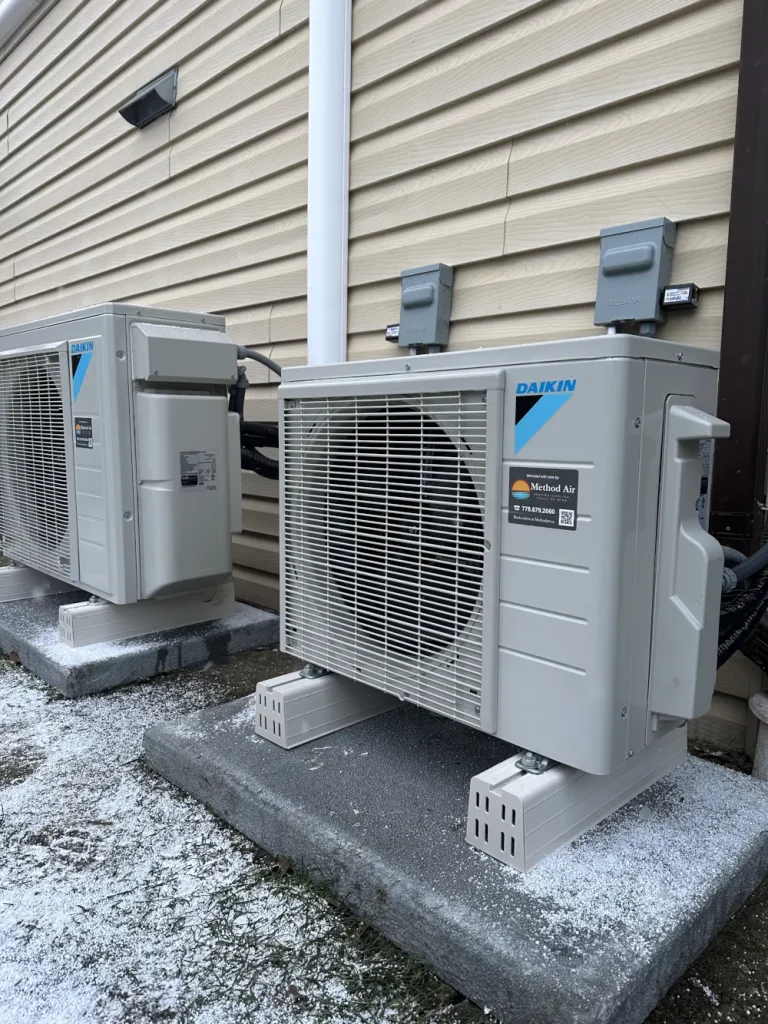
- Heat pumps require both indoor and outdoor components, similar to central AC
- Heat pump installations may require electrical upgrades if replacing a gas furnace
- Proper sizing is crucial for both systems to ensure efficiency
A professional HVAC technician should evaluate your home’s specific needs, including square footage, insulation levels, and local climate factors before recommending either system.
Maintenance Requirements and Lifespan
Both systems need regular maintenance:
- Air filters should be changed every 1-3 months for both systems
- Annual professional maintenance is recommended for both
- Heat pumps may need more frequent maintenance since they run year-round
Regarding lifespan:
- Air conditioners typically last 15-20 years
- Heat pumps often last 10-15 years due to year-round operation
This difference in lifespan should factor into your long-term cost calculations.
Making Your Decision: Heat Pump or AC?
To choose between a heat pump vs AC, consider these key factors:
Best Scenarios for Heat Pumps
A heat pump might be your best choice if:
- You live in a moderate climate with mild winters
- You’re replacing both your heating and cooling systems
- Electricity rates are reasonable in your area
- Environmental impact is a priority for you
- You want one system to handle both heating and cooling

When to Choose an Air Conditioner
A traditional AC with a separate heating system might be better if:
- You experience extremely cold winters
- Natural gas is much cheaper than electricity in your area
- You already have a newer, efficient furnace
- Your budget for upfront costs is limited
Hybrid Systems: The Best of Both Worlds
Don’t forget about dual-fuel or hybrid systems, which combine:
- A heat pump for moderate weather heating and all cooling needs
- A gas furnace that takes over when temperatures drop too low for efficient heat pump operation
This approach maximizes efficiency by using the most cost-effective system based on outdoor conditions.
Frequently Asked Questions About Heat Pumps vs AC
Is a heat pump better than an air conditioner?
A heat pump isn’t necessarily better than an air conditioner—it’s just different. Heat pumps offer the advantage of both heating and cooling from one system and are typically more energy-efficient in moderate climates. However, traditional AC systems paired with furnaces may perform better in extremely cold regions.
Do heat pumps cool as well as air conditioners?
Yes, heat pumps cool just as effectively as air conditioners of similar quality and SEER rating. During summer, a heat pump functions exactly like an air conditioner, using the same refrigeration cycle to remove heat from your home.
How much more expensive is a heat pump than AC?
Heat pumps typically cost $1,000-$2,000 more than a comparable air conditioner for initial installation. However, when you factor in that a heat pump eliminates the need for a separate furnace, the total system cost may actually be lower with a heat pump compared to buying both an AC and furnace.
What are the disadvantages of a heat pump?
The main disadvantages of heat pumps include:
- Reduced heating efficiency in very cold temperatures
- Potentially higher electricity bills in areas with expensive electricity
- Shorter average lifespan than AC units due to year-round operation
- Higher initial cost compared to an AC-only system
Can a heat pump replace my air conditioner?
Yes, a heat pump can completely replace your air conditioner. It provides the same cooling function while also offering heating capabilities. This makes it a versatile replacement that can potentially eliminate the need for a separate furnace.
How long do heat pumps typically last?
Heat pumps typically last 10-15 years with proper maintenance, while air conditioners often last 15-20 years. The shorter lifespan of heat pumps is primarily due to their year-round operation compared to the seasonal use of air conditioners.
Ready to Upgrade Your Home’s Heating and Cooling?
Choosing between a heat pump vs AC depends on your specific needs, climate, and budget. Heat pumps offer versatility and efficiency for moderate climates, while traditional AC systems paired with furnaces might work better in extremely cold regions.
Whatever system you choose, proper sizing and professional installation are crucial for optimal performance and efficiency. Regular maintenance will also extend the life of your system and keep it running efficiently.
If you’re ready to upgrade your home’s comfort system or have more questions about which option is right for your specific situation, Method Air is here to help. Our experienced technicians can evaluate your home, discuss your needs, and recommend the perfect solution for year-round comfort.
Contact Method Air today to schedule a consultation and take the first step toward a more comfortable, energy-efficient home!