
Table of Contents
A heat pump and furnace are both good ways to warm your home, but they work very differently. A heat pump moves heat from outside to inside your home, while a furnace creates heat by burning fuel or using electricity.
Heat pumps are more energy-efficient and can both heat and cool your home, but they cost more upfront. Furnaces cost less to buy, work well in very cold places, but only provide heat and use more energy. Your best choice in the heat pump vs furnace debate depends on your local climate, budget, and how long you plan to live in your home.
How Heat Pumps and Furnaces Work
Heat pumps and furnaces warm your home in completely different ways. Understanding these differences helps you pick the right system for your needs.
How Heat Pumps Work
A heat pump doesn’t create heat. Instead, it moves heat from one place to another. Think of it like a refrigerator working in reverse. Even when it’s cold outside, there’s still some heat in the air. The heat pump grabs this heat and brings it inside your home.
In summer, a heat pump works like an air conditioner. It removes heat from inside your home and sends it outside. This means one system can both heat and cool your home all year round.

Heat pumps run on electricity. They use a refrigerant that absorbs heat and moves it through the system. The main types are air-source heat pumps (most common), ground-source (geothermal) heat pumps, and water-source heat pumps.
How Furnaces Work
Unlike heat pumps, furnaces actually create heat. They burn fuel or use electricity to make heat, then blow this warm air through ducts in your home.
Gas furnaces burn natural gas or propane to create heat. The burning happens in a sealed chamber called a heat exchanger. A blower fan then pushes this heated air through your home’s ductwork.
Electric furnaces use heating elements (like in a toaster) to create heat. Oil furnaces burn heating oil. Each type has its own pros and cons related to cost, efficiency, and availability.
Furnaces only provide heat. If you want cooling too, you’ll need a separate air conditioning system.
Comparing Costs: Installation and Operation
Money matters when choosing between a heat pump vs furnace. Let’s look at what you’ll pay upfront and over time.
Installation Costs
Heat pumps typically cost more to install than furnaces. For a standard air-source heat pump, you might pay between $4,000 and $8,000 for installation. If you choose a geothermal heat pump, costs jump to $10,000-$30,000 because of the underground work needed.
Furnaces are generally cheaper to install. A new gas furnace installation usually costs between $2,500 and $6,000. Electric furnaces cost even less, typically $1,500-$3,000 to install.
Remember that heat pumps provide both heating and cooling. If you’re comparing a furnace plus a separate air conditioner to a heat pump, the total costs become more similar.
Operating Costs
Heat pumps often cost less to run, especially in mild climates. Since they move heat rather than create it, they can deliver 1.5 to 4 times more heating energy than the electricity they use.
Gas furnaces typically cost less to operate than electric furnaces because natural gas is usually cheaper than electricity. However, gas prices can change, affecting your bills.
Your actual operating costs depend on:
- Local energy prices (electricity, gas, oil)
- How cold your winters get
- How well your home is insulated
- The efficiency rating of your system
In very cold regions, heat pumps may need backup electric resistance heating, which increases electricity use. This can make furnaces more economical in extremely cold climates. In the heat pump vs furnace debate the conditions of your location matter.
Energy Efficiency Comparison
Energy efficiency affects both your bills and the environment. Let’s see how heat pumps and furnaces compare.
Heat Pump Efficiency
Heat pumps are very efficient because they move heat rather than create it. Their efficiency is measured by HSPF (Heating Seasonal Performance Factor) for heating and SEER (Seasonal Energy Efficiency Ratio) for cooling.
Modern heat pumps have HSPF ratings of 8-13. Higher numbers mean better efficiency. For cooling, look for SEER ratings of 14-22.
Heat pumps a more efficient in mild to moderate climates. When temperatures drop below freezing, their efficiency decreases. However, newer models work well even in colder temperatures than before. When choosing between heat pump vs furnace consider the cost savings you can get from elevated efficiency vs upfront installation costs.
Furnace Efficiency
Furnace efficiency is measured by AFUE (Annual Fuel Utilization Efficiency). This percentage tells you how much of the fuel becomes useful heat.
Older furnaces might have AFUE ratings of 70-80%. Modern high-efficiency furnaces can reach 95-98% AFUE. This means almost all the fuel becomes heat for your home.
Electric furnaces technically have 100% AFUE because all electricity becomes heat. However, electricity production at power plants is often less efficient than using natural gas directly in your home.

Environmental Impact
Heat pumps generally have a lower carbon footprint, especially if your electricity comes from renewable sources like solar or wind. They don’t burn fuel in your home, so there are no direct emissions.
Gas and oil furnaces burn fossil fuels, creating carbon dioxide and other emissions. However, high-efficiency models produce fewer emissions than older units.
If reducing your environmental impact is important to you, a heat pump is usually the greener choice in the heat pump vs furnace debate.
Climate Considerations
Your local climate plays a big role in choosing between a heat pump vs furnace. What works in Florida might not be best in Minnesota.
Heat Pumps in Different Climates
Heat pumps work best in mild to moderate climates. They’re perfect in places with temperatures that rarely drop below freezing.
In hot climates like the southern United States, heat pumps excel because they provide efficient cooling in summer and enough heating for mild winters.
Modern cold-climate heat pumps can work in temperatures as low as -13°F (-25°C). However, they may need backup heating in extremely cold areas. This backup usually comes from electric resistance heating built into the heat pump.
Furnaces in Different Climates
Furnaces shine in cold climates. They can produce plenty of heat even when temperatures plummet well below freezing.
In places like the northern United States and Canada, gas furnaces are often the preferred choice. They can quickly warm a home even in the coldest weather.
Furnaces don’t provide cooling, so in hot climates, you’ll need a separate air conditioning system. This means two systems to maintain instead of one.
Hybrid Systems
Can’t decide between heat pump vs furnace? Some homes use hybrid systems that combine a heat pump with a furnace. The heat pump handles heating and cooling in mild weather, while the furnace takes over when it gets very cold.
This approach gives you the best of both worlds: the efficiency of a heat pump most of the time and the power of a furnace when needed. However, hybrid systems cost more to install than either option alone.
Lifespan and Maintenance
How long will your heating system last, and what care will it need? These factors affect your long-term costs and satisfaction.
Heat Pump Lifespan and Maintenance
Heat pumps typically last 10-15 years. Since they run year-round (for both heating and cooling), they experience more wear than furnaces.
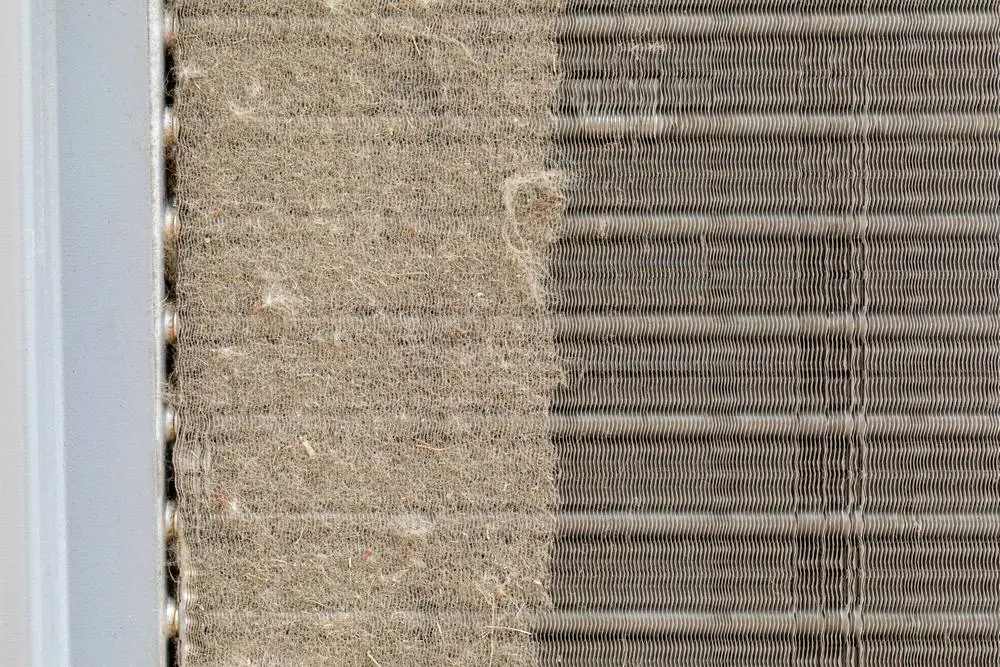
Regular maintenance for heat pumps includes:
- Changing air filters every 1-3 months
- Cleaning outdoor coils yearly
- Checking refrigerant levels
- Professional tune-ups once or twice a year
Heat pumps have both indoor and outdoor components. The outdoor unit faces weather challenges like rain, snow, and debris that can affect performance.
Furnace Lifespan and Maintenance
Furnaces generally last longer than heat pumps, with a typical lifespan of 15-20 years. Some well-maintained furnaces can last 25 years or more. A longer lifespan can be a very important factor in the heat pump vs furnace decision.

Regular maintenance for furnaces includes:
- Changing air filters every 1-3 months
- Checking and cleaning burners
- Inspecting the heat exchanger for cracks
- Professional tune-ups once a year before heating season
Gas furnaces require safety checks to prevent carbon monoxide leaks. This makes professional maintenance especially important.
Repair Considerations
When repairs are needed, furnace repairs are often simpler and less expensive than heat pump repairs. Heat pump repairs might require specialized knowledge and handling of refrigerants.
However, since heat pumps provide both heating and cooling, you’re maintaining one system instead of two separate systems (furnace plus air conditioner).
Making Your Final Decision
Now that you understand the differences, how do you choose between a heat pump vs furnace? Consider these factors to make your best decision.
When to Choose a Heat Pump
A heat pump might be your better choice if:
- You live in a mild or moderate climate
- You want one system for both heating and cooling
- Energy efficiency is a top priority
- You have no natural gas service available
- You’re concerned about your environmental impact
- You have or plan to install solar panels
Heat pumps make the most financial sense when their higher upfront cost is offset by energy savings over time.
When to Choose a Furnace
A furnace might be your better choice if:
- You live in a very cold climate
- Natural gas is readily available and affordable in your area
- You have a tighter budget for upfront costs
- You already have a separate cooling system
- You plan to move within a few years
- Your home has limited electrical capacity
Furnaces remain popular in cold regions because they provide reliable heat even in extreme conditions.
Talk to a Professional
Before making your final decision between heat pump vs furnace, consult with a qualified HVAC professional. They can:
- Assess your home’s specific heating needs
- Calculate the right size system for your space
- Provide accurate cost estimates for your area
- Recommend specific models that match your needs
- Explain available rebates and incentives
Getting multiple quotes helps you understand your options and find the best value.

Frequently Asked Questions
Which is cheaper to run, a heat pump or furnace?
In most climates, heat pumps cost less to run than furnaces because they move heat rather than create it. However, in very cold regions where heat pumps need backup electric resistance heating, gas furnaces might be cheaper to operate, especially if natural gas prices are low in your area.
Do heat pumps work in cold climates?
Yes, modern cold-climate heat pumps can work efficiently down to about 0°F (-18°C) or even lower. Below these temperatures, they need backup heating. Newer models perform much better in cold weather than older heat pumps did.
How long do heat pumps and furnaces last?
Heat pumps typically last 10-15 years, while furnaces often last 15-20 years or more. The difference is partly because heat pumps run year-round for both heating and cooling, while furnaces only operate during heating season.
Can I replace my furnace with a heat pump?
Yes, you can replace a furnace with a heat pump in most homes. However, you might need electrical upgrades since heat pumps run on electricity. If you have existing ductwork, an air-source heat pump can usually use it. In very cold climates, consider keeping your furnace as backup or choosing a cold-climate heat pump.
Which is better for the environment?
Heat pumps are generally better for the environment because they don’t burn fossil fuels directly and are more energy-efficient. Their environmental impact depends partly on how your electricity is generated. If your power comes from renewable sources, a heat pump has an even smaller carbon footprint.
Do I need a backup heating system with a heat pump?
In moderate climates, you don’t need backup heating. In colder regions, most heat pumps include electric resistance backup heating that activates automatically when needed. In very cold areas, some homeowners keep their furnace as backup or choose a dual-fuel system that combines a heat pump with a furnace.
Ready to Upgrade Your Home’s Heating System?
Choosing between a heat pump and furnace is an important decision that affects your comfort and budget for years to come. Consider your climate, energy costs, and long-term plans when making your choice.
For personalized advice and professional installation, contact Method Air today. They can help you select the perfect system for your home and ensure it’s installed correctly for maximum efficiency and comfort. Don’t wait until your current system fails—plan your upgrade now and enjoy better heating, lower bills, and improved home comfort.