
Table of Contents
Thinking about a heat pump? Perhaps your furnace is failing, or you want to lower energy bills. Either way, understanding ratings like SEER, HSPF, and COP in heat pumps is crucial for selecting the right system. These ratings reveal a heat pump’s heating and cooling efficiency, saving you money and future issues.
What are SEER, HSPF, and COP Anyway?
These ratings help compare heat pumps, similar to how miles per gallon help you choose a car. It’s about maximizing value – British Thermal Units (BTUs) per watt-hour.
SEER (Seasonal Energy Efficiency Ratio)
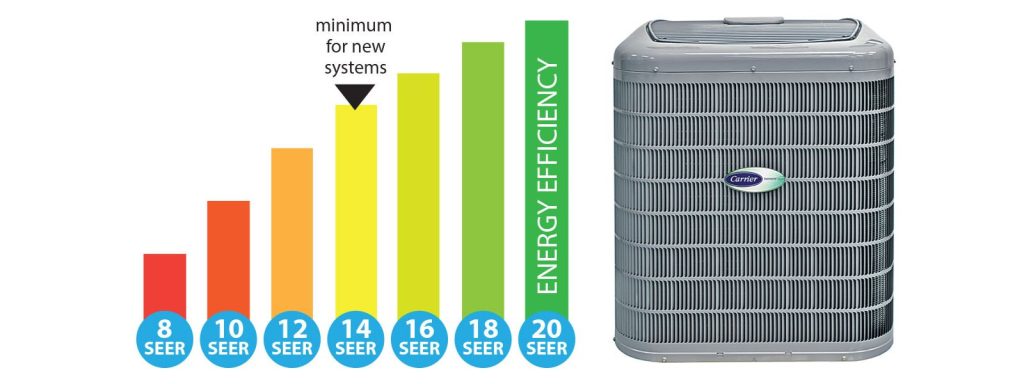
SEER measures cooling efficiency during the cooling season. It indicates how many BTUs a heat pump removes per watt-hour over a cooling season. Higher SEER means greater efficiency and the minimum is 13, but models exceed 20. A 13 SEER translates to roughly 381% efficiency.
HSPF (Heating Seasonal Performance Factor)
HSPF measures heating efficiency during the heating season. Like SEER, it calculates BTUs per watt-hour. Higher HSPF means better heating, with a minimum of 7.7, though higher values benefit colder regions. A heat pump with higher HSPF ratings provides increased heating performance during the heating season. The seasonal energy efficiency ratio (SEER) measures cooling efficiency.
COP (Coefficient of Performance)
Unlike seasonal ratings like SEER and HSPF, COP measures efficiency at a specific outdoor temperature. It’s a single point in time, not an average. A higher COP at a given temperature means better performance, though it fluctuates with changing conditions.
Why These Ratings Matter
These ratings affect comfort and cost. A high-efficiency heat pump lowers energy bills, uses less energy, and offers substantial savings through lower energy consumption and operating costs.
The upfront cost of energy efficiency is recouped through lifetime energy savings, outperforming less efficient systems. Even with a higher purchase price and pump installation costs, a ground-source heat pump may be worth considering for long-term energy savings. Ultimately, energy efficiency ratings play a key role in comfort across a range of conditions, providing a way better to manage the efficiency of heating systems and cooling systems. Heat pump maintenance can further extend its lifespan and contribute to greater energy savings, ensuring consistent, efficient indoor temperatures, no matter the outdoor temperatures.
SEER HSPF and COP in Heat Pumps: Making Sense of It All
Optimal ratings depend on location and budget. The size of your heat pump, which also impacts SEER and HSPF rating calculations, also needs to be carefully chosen for optimal performance.

Climate Considerations
In hot climates, prioritize a higher SEER for better air conditioning and improved cooling heat pump performance. In cold climates, prioritize HSPF for enhanced heating performance. A ground-source heat pump or an air-source heat pump could be great options when considering the efficiency ratio and cost savings related to these heat pumps.
Balancing Costs and Efficiency
Higher ratings usually cost more upfront, but this results in long-term savings and improved heat pump efficiency. Factors like insulation and air filter cleanliness influence energy use, too. Regular maintenance maximizes efficiency.
Keeping these efficiency factors in mind as you make decisions about your heating and air conditioning systems can contribute to overall lower energy bills and an Energy Star certification on some heat pumps could even give tax breaks. Using a programmable thermostat for added control is also an important step to improving efficiency.
Heat Pump Types and Configurations
Heat pumps come in various configurations, each affecting how SEER, HSPF, and COP translate to real-world performance.
Ductless Mini-Splits
Ductless mini-splits offer personalized comfort with separate indoor and outdoor units, providing efficient spot heating or cooling. Ductless mini splits contribute to lower operating costs while offering targeted heating and cooling.

While ductless systems don’t offer traditional central heating and cooling, their zoning abilities allow homeowners to avoid using energy to heat or cool areas of the home that don’t require climate control. Although these don’t provide high-efficiency MERV air filtration, their flexibility is valuable.
Ducted Systems
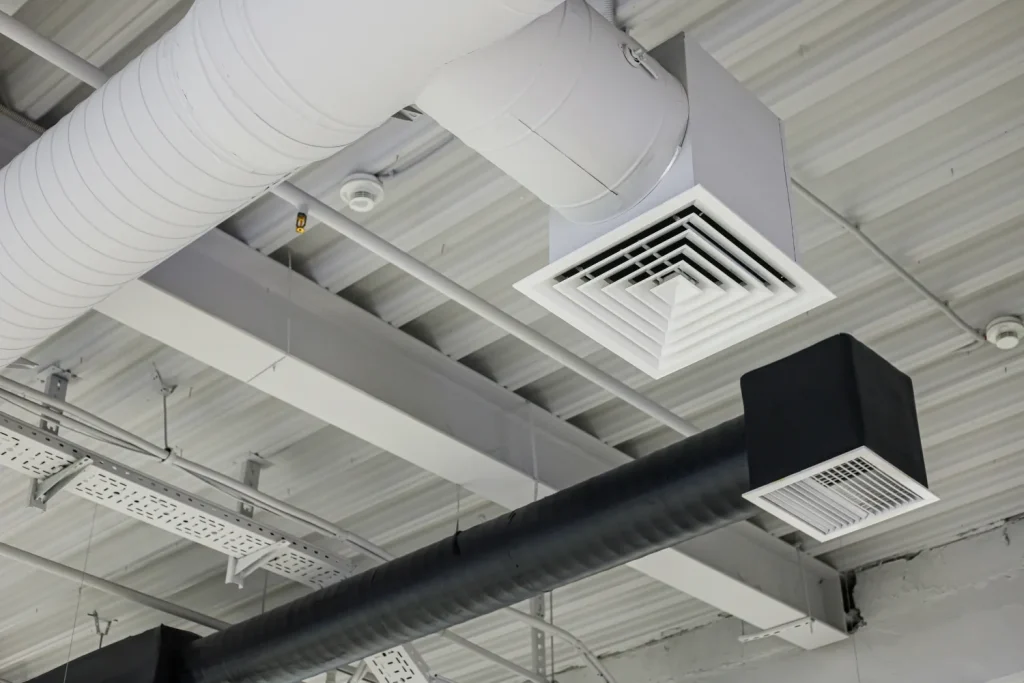
Ducted systems distribute conditioned air throughout the home via existing ductwork, often integrated with central heating and cooling. This setup is common in existing homes, using standard equipment for heating and cooling systems. While traditional central heating and cooling offer convenience, potential ductwork losses are drawbacks when balancing your overall system’s heat.
Short-Run Ducted Systems
Short-run ducted systems combine traditional ductwork with components like heat pumps, maximizing ductless efficiency and reach. This system mitigates ductless systems drawbacks while still leveraging other benefits and maintaining energy efficiency ratio levels. Though they provide decent indoor air quality, they can incorporate ventilation and air quality improvements.
Consulting an HVAC professional is wise when choosing your type as higher SEER/HSPF units may qualify for rebates. There may be some geothermal heat pumps that would greatly cut down your energy bills, but those require different heat pump installation compared to the standard ground-source heat pump or air-source heat pumps.
Before embarking on pump installation it is best to understand what different ratings your heat pump provides. Many offer efficiency improvements for all cooling heat pumps. Efficiency and potential energy bill savings can differ widely depending on your area and the heat pump provided.
Real World Performance: What to Expect
Studies reveal how heat pumps perform in real-world scenarios. For instance, a Northeast Energy Efficiency Partnerships study showed significant savings for homes using cold-climate heat pumps. These heat pump savings compared to electric resistance or oil heating varied depending on climate, rates, and home efficiency.
When looking to make upgrades, remember a properly sized heat pump for heating and cooling provides a reliable alternative. Properly designed systems should meet your specific requirements offering both improved air conditioning and furnace functionality, efficiency gains, and lower overall energy bills.
H2: Common Questions About Heat Pump Efficiency Ratings
How do SEER, HSPF, and COP help me choose the right heat pump?
These ratings tell you how efficient a heat pump is for both heating and cooling. The higher the number, the more energy—and money—you can save in the long run.
What’s the best SEER or HSPF rating for Victoria, BC?
In Victoria’s mild climate, a heat pump with a higher SEER for cooling and an HSPF above 8.5 for heating provides a good balance. It ensures comfort year-round while keeping utility bills low.
Is a ductless mini-split or central heat pump more efficient for my home?
It depends on your home’s layout—mini-splits are great for zoned comfort, while central systems work well for full-home control. An HVAC pro can help match the system type to your needs and energy goals.
Can I qualify for rebates by choosing a high-efficiency heat pump?
Yes, many models with high SEER or HSPF ratings qualify for government or utility rebates. These incentives can offset upfront costs and boost your return on investment.
Conclusion
Choosing a heat pump is complex, involving home configuration, location, and sizing. Efficiency is crucial, regardless of brand. Consider factors like climate and layout when selecting a heat pump for heating, cooling, or both.
Whether your goal is efficient heating during cold weather with higher HSPF ratings or effective cooling heat pump performance with higher SEER during the warm season, a well-chosen heat pump provides optimal thermal performance. Grasping SEER, HSPF, and COP helps compare models, predict savings, and ensure year-round comfort. Before finalizing your heat pump, consider the air conditioner type. Remember a proper size heat is critical.
Contact Method Air at your earliest convenience for further information about our heat pump services or to schedule an appointment.